Art Heals Life

◎ TEXT_Shirley Sun ◎ PHOTOS_Erik U、Teddy Choi、Kayrus Liu 、Yaya Siu、Paul Leong 、Jojo Lam ◎ ILLUSTRATOR_Vanessa Leong


Art embodies the essence of life, it is the vibrant colors of our experiences, the intricate patterns of streets paved with tiny stones, the breathtaking landscapes captured through a camera lens, and the statues that grace our park. It is also the dancer’s elegant posture, the casual hum of a melody, the fluid strokes of a pen, and the frames of a film.

As the Preface of Mao Poetry articulates: “When genuine emotions stir within the heart, language is employed to express them. If language proves insufficient to fully convey such feelings, the voice extends, sighing forth exclamations. If even exclamations fall short, one involuntarily begins to chant and sing. And when singing still cannot fully sate the urge, limbs unconsciously begin to move in dance.” Art should emerge as a heartfelt expression, an outpouring of emotions that connects us to the world. This issue’s newsletter introduces arts therapy through interviews with art therapists, exploring the creative journey and the profound link between art and healing. We aim to help urban dwellers navigate their inner landscapes, anchoring themselves in the harbor of art.
 

Drawing Therapy

Arts therapy is a systematic approach that utilizes various forms, such as drawing, music, and drama, as professional psychological interventions. It benefits not only those experiencing emotional distress but also  individuals seeking self-exploration and stress management, integrating both mind and body through the creative process.

In Macao, common forms of arts therapy include drawing therapy, music therapy, drama therapy, dance therapy, and sandplay therapy. Additionally, clay and drawing are often used as supplementary tools in drama therapy.

Drawing Therapy

Drawing therapy focuses on free creation, such as doodling, mandalas, and collage, allowing individuals to delve into the subconscious through the lines and colors of their artwork.

This creative approach fosters relaxation and alleviates anxiety, making it particularly beneficial for stressed office workers and students, helping them attain inner peace and emotional release.

Music Therapy

Music therapy begins with relaxation through listening to music, followed by playing instruments and singing to express emotions. This method helps individuals find emotional resonance, regulate their physical and mental states, and relieve stress.

It is especially beneficial for individuals with autism and speech disorders, aiding in self-expression and fostering emotional communication.

Drama Therapy

Drama therapy employs techniques like masks, empty chairs, and role-playing to help participants access specific emotional states. By integrating tools such as music, drawing, and clay, participants can immerse themselves in their emotions and express their true selves.

This approach enhances emotional integration and expression, making it particularly useful for those with verbal communication challenges or conditions like schizophrenia, allowing them to find self-identity and release through expression.

Dance Therapy

Dance therapy utilizes body movements, music, imagery, and language to express feelings and thoughts through dance and interaction. This method promotes mind-body integration.

It is beneficial for the general public, particularly individuals with developmental or psychological challenges, social difficulties, and disabilities. Its helps them find expressive outlets through movement while enhancing emotional connection and self-awareness.


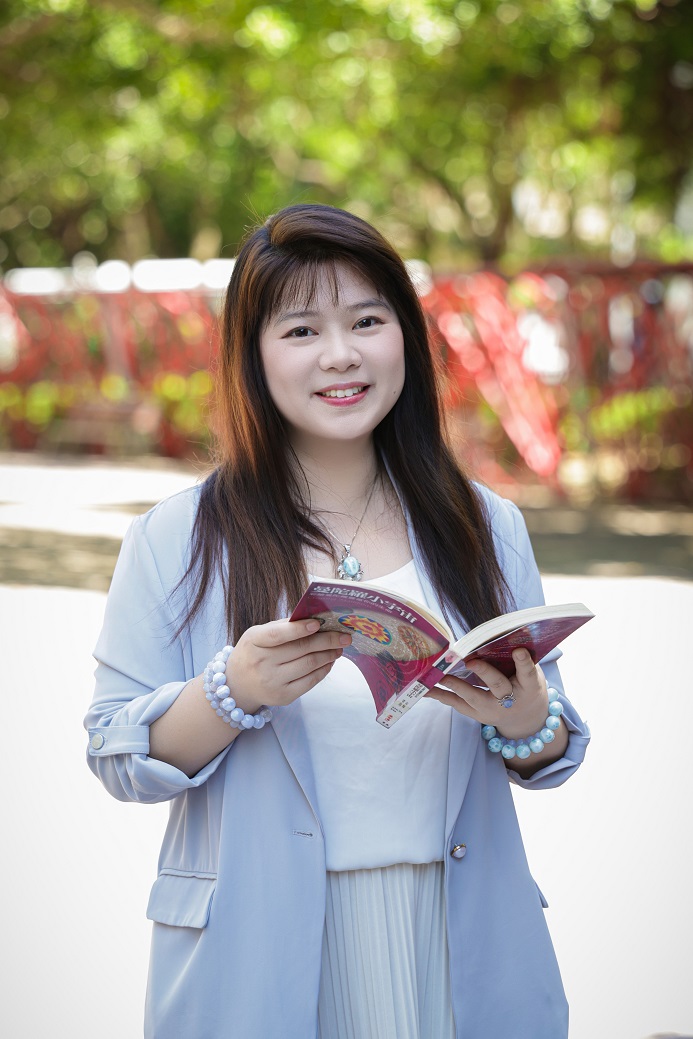
Drawing Therapy: An Interview with Senior Psychological Counsellor Yaya Siu


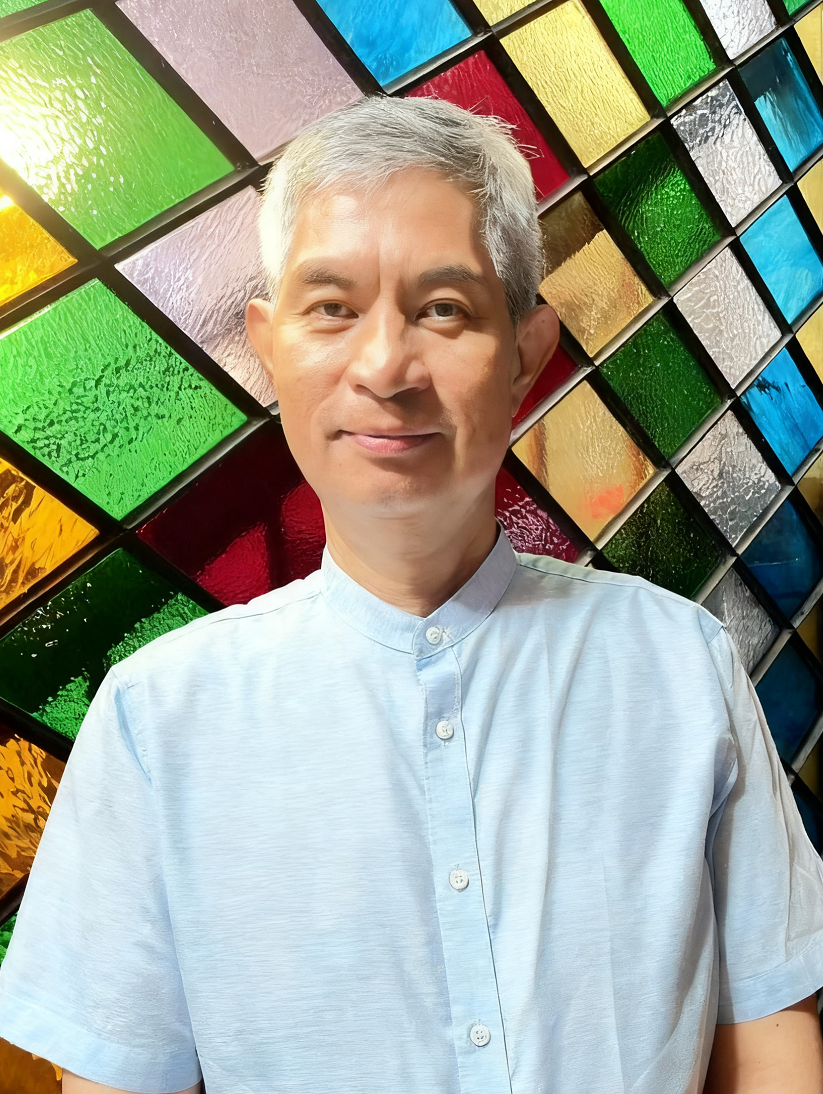
Siu Nga Man (Yaya Siu) is a multi-talented psychological professional and art creator with extensive qualifications and experience. She serves as a senior psychological counsellor in Macao, is a Theta Healing instructor, and holds the title of NLP Master Practitioner from the United States. Yaya is also active in the art world, having held several mandala exhibitions and participated in over thirty domestic and international art annuals.

During her learning journey, Yaya realized that even with excellent academic achievements, she struggled to find happiness. This realization led her to seek emotional release through artistic expression. In particular, drawing mandalas provided her with the emotional support and healing she needed. She believes that discovering the right form of art and engaging in creative expression is crucial for conveying emotions and foster positive feelings.

To deepen her understanding of psychology, Yaya pursued a master’s degree in psychology, focusing on drawing therapy as her new research direction. This journey not only facilitates self-healing but also enables her to assist others. She explores the subconscious through colors and lines, integrating and organizing emotions in the process.

Yaya emphasizes that drawing therapy differs from traditional drawing. Under the guidance of a therapit, participants gradually organize their chaotic thoughts. After completing their artwork, they discuss the subconscious expressions with the therapist, helping to integrate their emotions. This approach effectively releases stress and alleviates anxiety.

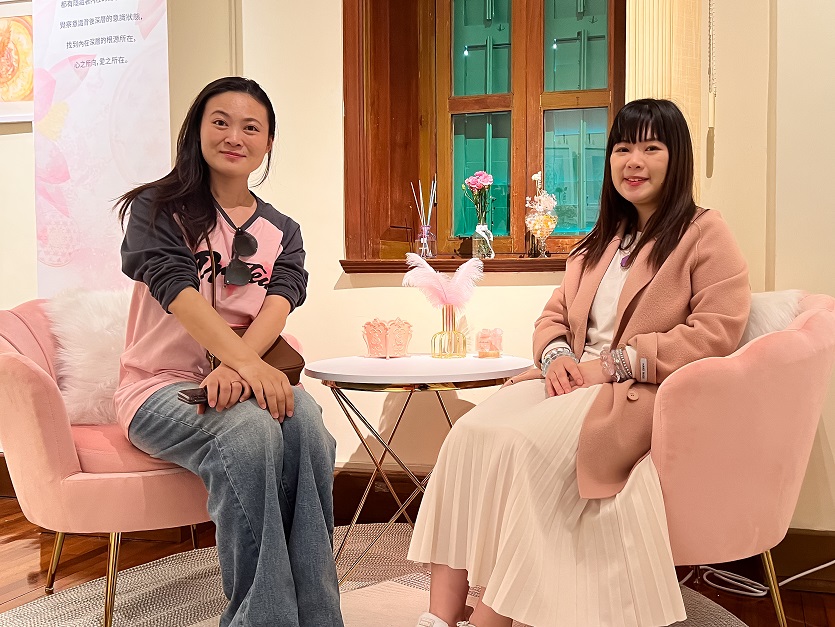
The exhibitions she curates aim to create a comfortable and healing environment by incorporating elements such as lighting, fragrances, soft sofas, candies, and crystals, allowing the audience relax both physically and mentally. During the exhibition, Yaya interacts with the audience, listening to their thoughts and enhancing their sense of participation.

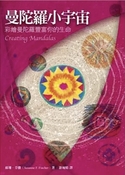
Additionally, her recommended book, Creating Mandalas, combines the theory of Jungian Analytical Psychology with practical drawing exercise. It helps readers understand the symbolic meanings of various life stages and facilitates self-integration through art, providing foundational knowledge for those entering the fields of art therapy and drawing therapy.


The Joyous Movement of Life
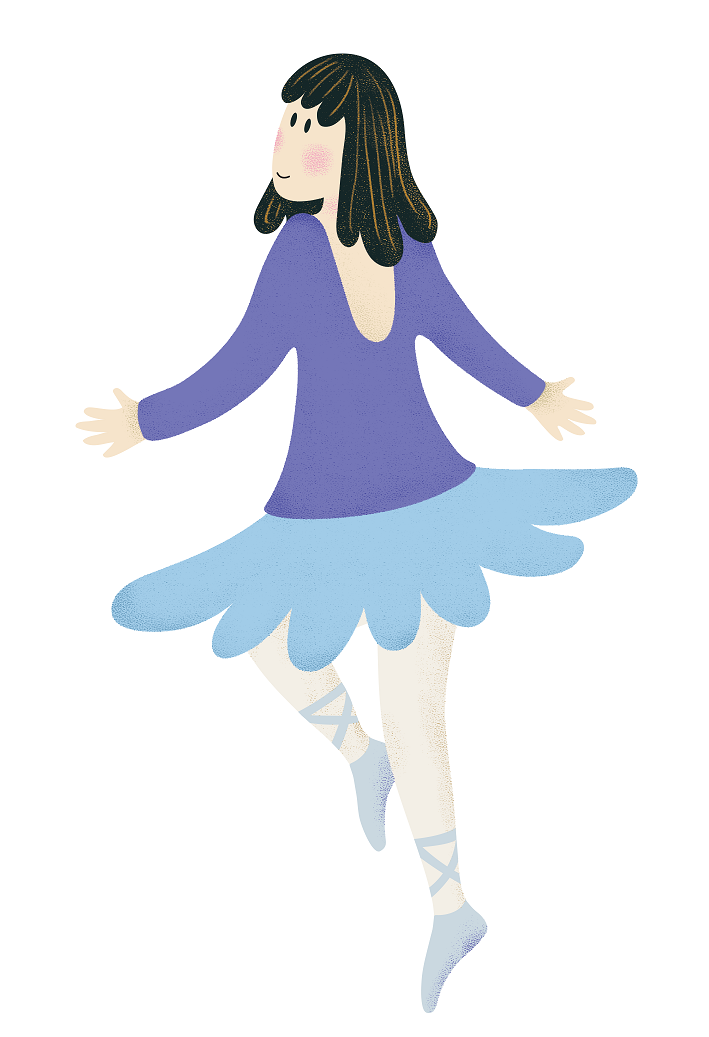
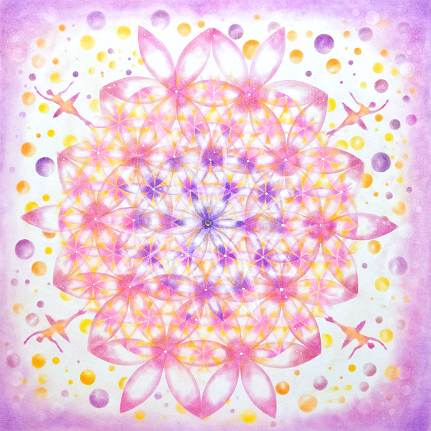
Creative Concept: The joyful dancer embodies freedom and grace, illuminating the beauty of life and  making it sparkle.

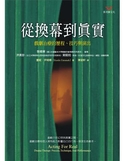
Creating Mandalas

▸ Creating Mandalas

Author:Susanne F. Fincher

Translator:Yu Wan-Chuan

Publishing House:Life Potential Publications Co., Ltd.

Year of Publication:2008

Music Therapy: An Interview with Paul Leong, Doctor of Applied Psychology


Music serves as a powerful medium for emotional regulation, encompassing a wide range of expression— from the spontaneous sounds of played instruments to the songs sung by individuals. Different types of music can evoke varied emotional responses, for example, tense music may stimulate the amygdala, triggering a stress response, while calming melodies promotes the activity of the parasympathetic nervous system. Thus, music therapy employs music to regulate emotions and relieve stress, forming its core approach.

Leong Man Long (Paul Leong), a music therapist and Doctor of Applied Psychology, explains that during the therapy process, clients freely play within a pentatonic scale. The therapist assesses their psychological state by observing the style, rhythm, and variations in intensity of the performance. Following this, the therapist guides the client through reflection, completing the journey from expression to internalization.

Music therapy is particularly effective for individuals with difficulties in verbal expression. By integrating music and art, it facilities emotional expression and problem-solving. For instance, in children with autism, music can help them to recognize their names, encourage eye contact, and promote imitation through body movements paired with songs, thereby enhancing social interaction. Additionally, music therapy can be conducted with families as a unit, using artistic expression to foster safe and effective communication.

Dr. Paul Leong emphasizes that anyone with an interest in music can benefit from music therapy. He notes that the healing effects of natural sounds should not be overlooked, as they can help individuals feel comfortable and quickly calm their minds. He recommends the book 20 Sound Healing Exercises to Activate the Purification of the Mind and Body, which introduces natural sounds—such as dripping water, wind, rustling leaves, and birdsong. The book aids readers in practicing relaxation, regulating emotions, relieving stress, and eliminating fatigue through the sounds of nature. The exercises are simple and clearly described, providing readers with a concrete practice environment, enabling them to find tranquility amid the hustle and bustle of urban life.


梁文龍音樂治療教學


20 Sound Healing Exercises to Activate Purification of the Mind and Body

▸ 20 Sound Healing Exercises to Activate Purification of the Mind and Body

Author:Monica Chao, Gordon Coxon

Publishing House:China Times Publishing Company

Year of Publication:2017

Drama Therapy: An Interview with Drama Therapist Jojo Lam


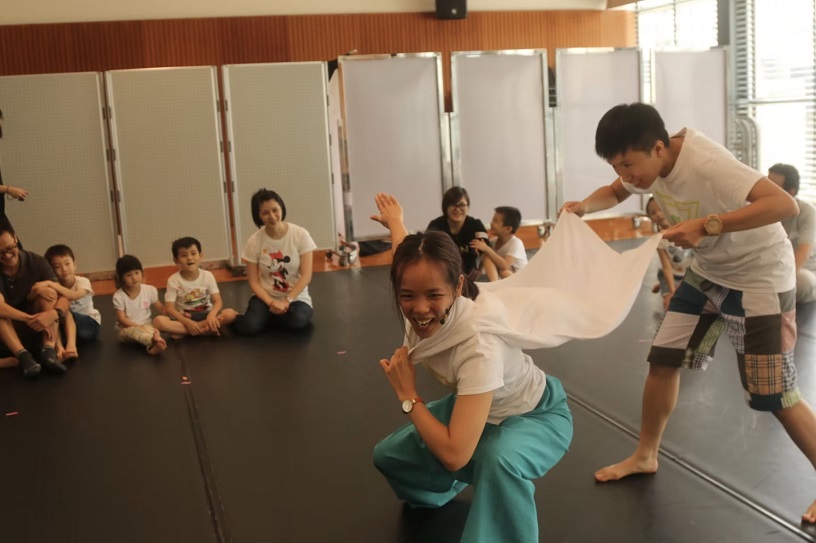
Body language serves as a silent yet powerful form of communication in social settings, capable of conveying rich, underlying information. These subtle signals help therapists capture the client’s inner state and foster mutual trust, forming the foundation of drama therapy.

Lam Weng Ian (Jojo Lam) is the first registered psychotherapist in Macao to earn a Master’s degree in drama therapy. She is also a drama teacher and theater practitioner. Jojo points out that drama therapy in Macao is primarily utilized in special education schools and rehabilitation centers, and it is also suitable for family-based clients. In fact, anyone can benefit from it, as drama therapy employs various storytelling methods to help participants organize their emotions, strengthen their expressive abilities, and enhance social skills.


During drama therapy sessions, which are typically conducted in small groups, trust and respect are built through ongoing interaction. The therapist uses various activities to guide clients into a particular emotional state and encourages them to project their emotions. For example, the metaphorical transformation techniques can turn trauma into symbolic representations, such as a fire-breathing dragon representing fear or a deep-sea whale symbolizing emotions. Through guided exploration, like asking, “Where is the whale in your body?” , clients can connect emotions with specific body parts.

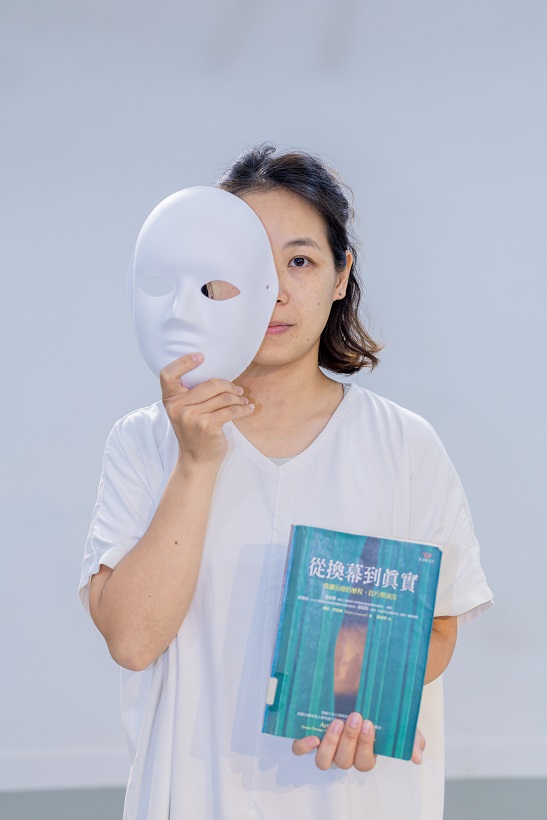
Jojo Lam mentions common techniques such as the empty chair, masks, and event reconstruction, which effectively promote emotional expression and understanding. Her introductory book, Acting For Real: Drama Therapy Process, Technique, and Performance, combines theory with real-life case studies, helping readers  build a foundational understanding of drama therapy. The book is ideal for those interested in the field, and it features the “Integrative Five Phase Model” proposed by the author, Renee Emunah, which fosters personal growth by guiding from play to emotional integration.

For those interested in exploring drama therapy further, Jojo encourages reader to refer to information from arts therapy organizations and government departments. These organizations periodically offer drama therapy workshops that are open to the public.


Jojo Lam’s teaching on body expression techniques during class


Acting For Real: Drama Therapy Process, Technique, and Performanc

▸ Acting For Real: Drama Therapy Process, Technique, and Performanc

Author:Renee Emunah

Translator:Adeline, Chan Ling Hin

Publishing House:Living Psychology Publishers Co.

Year of Publication:2006

Where Pages Are Harbors, Our Heart’s Vessel Finds Peace

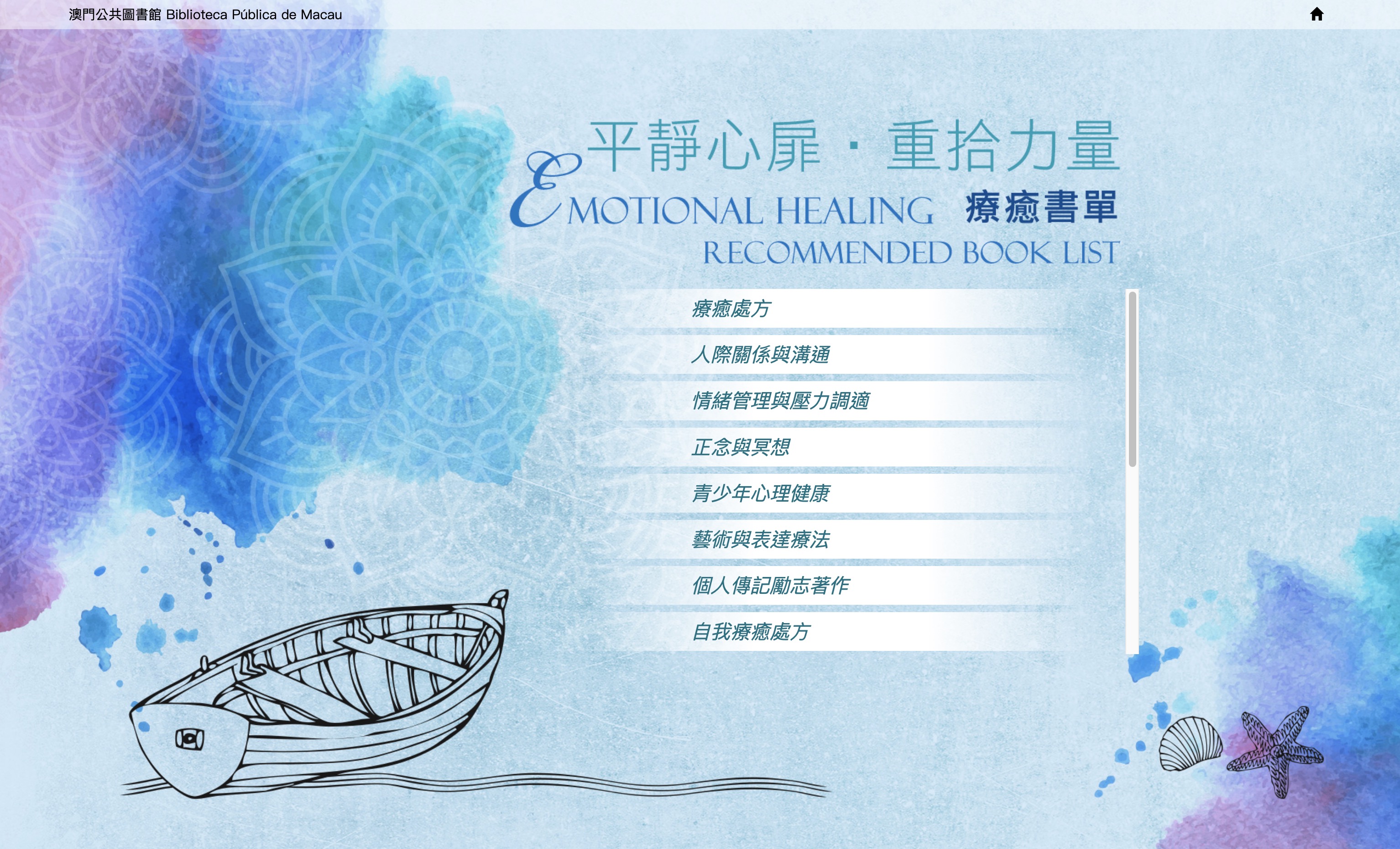
The Public Library of the Macao Cultural Affairs Bureau boasts a rich collection of books, covering a wide range of topics. These include subjects such as emotional management and stress adjustment, interpersonal relationships and communication, mindfulness and meditation, adolescent mental health, art and expressive therapies, as well as inspirational biographies and self-help books. These resources cater to readers from diverse backgrounds and life stages, helping them calm their minds and regain strength.

Where to find healing books?


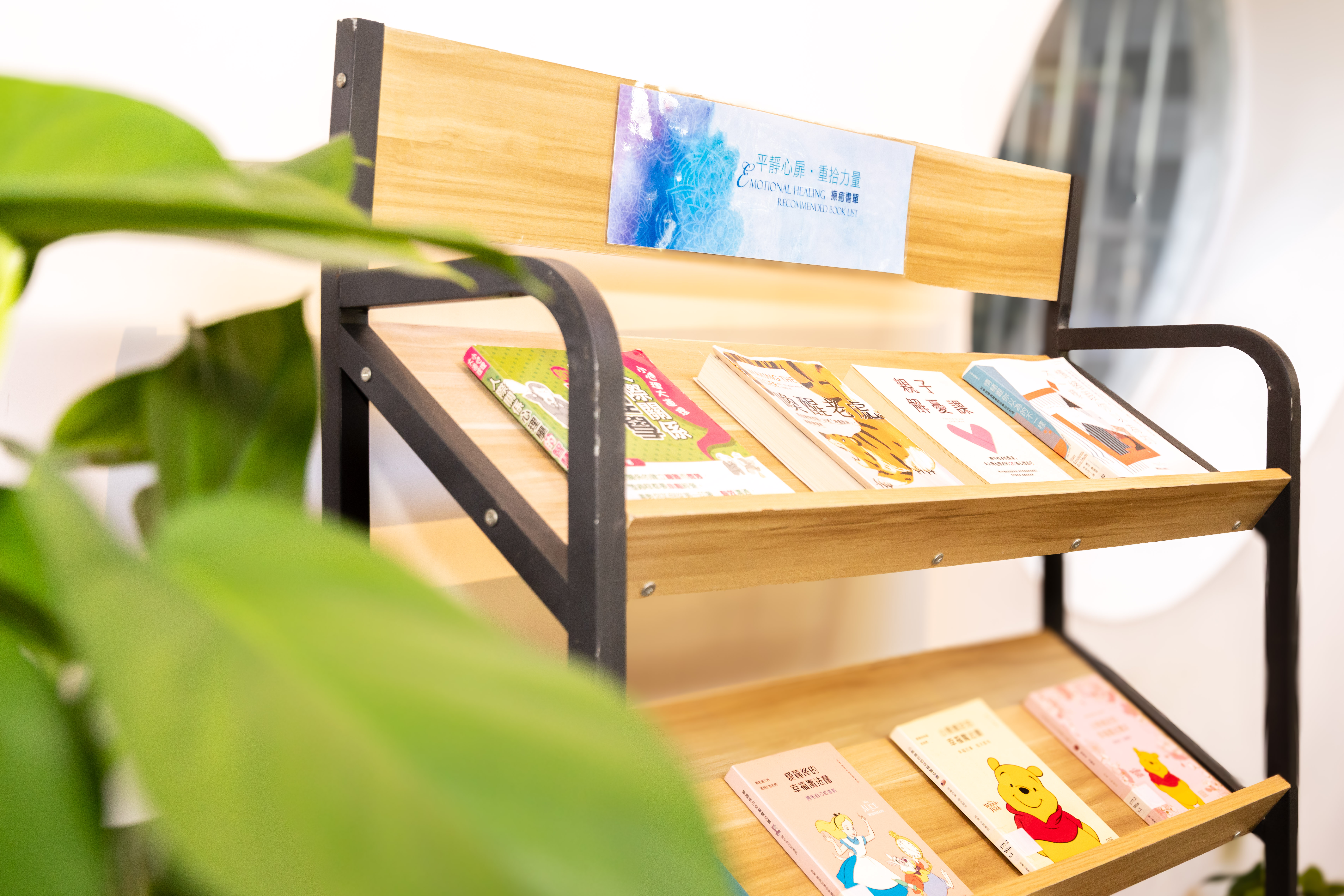
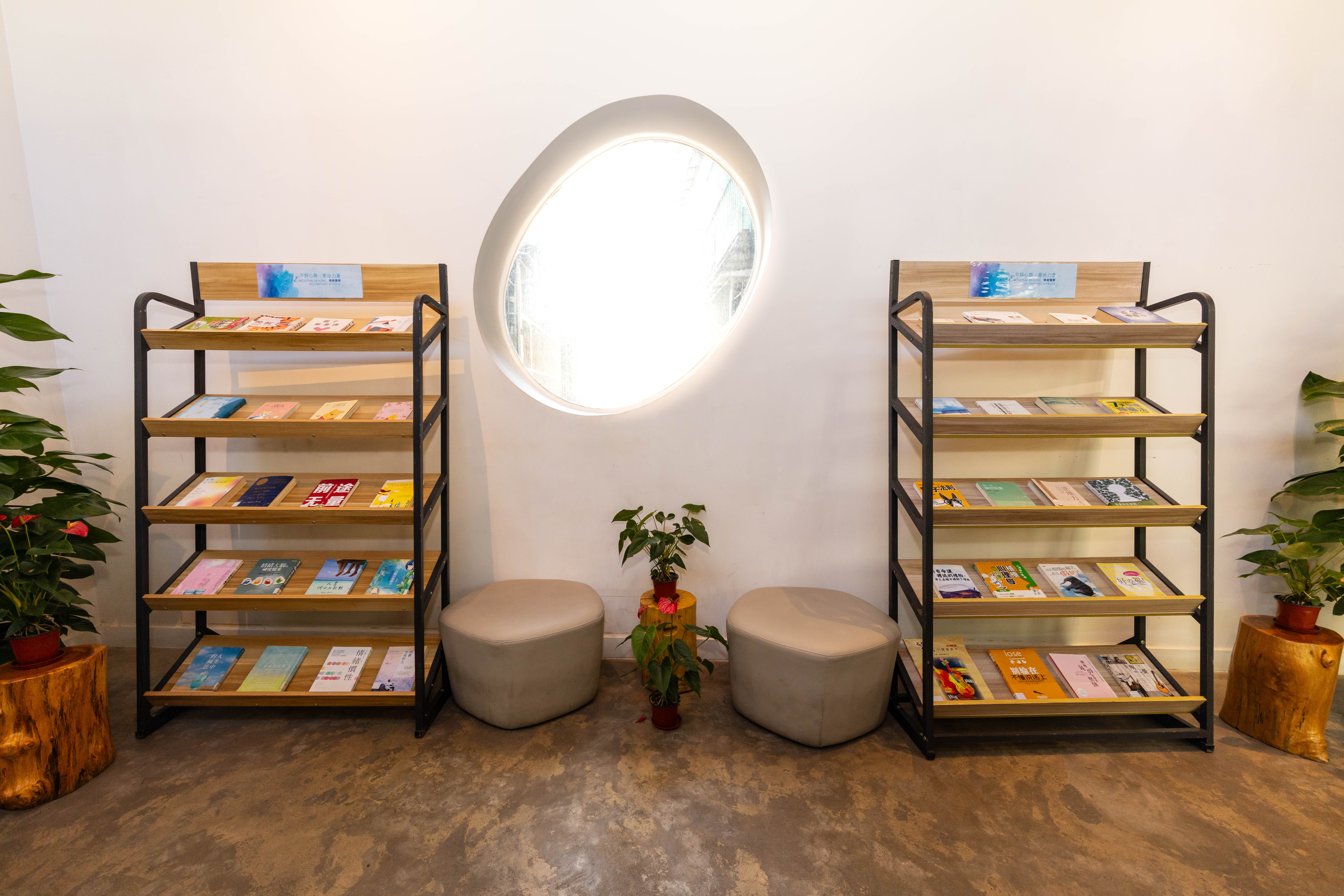
Healing Reading Corner

The Public Library of the Macao Cultural Affairs Bureau has set up the “Healing Reading Corner” in libraries, thoughtfully curated a variety of healing books, waiting for you to explore!


Online Healing Reading List of the Public Library of the Cultural Affairs Bureau


In addition, the library’s website features an online healing reading list, allowing readers to easily access and explore the collection, whether they are near or far, in Macao or beyond, providing a pathway to soothe the mind through the power of reading.